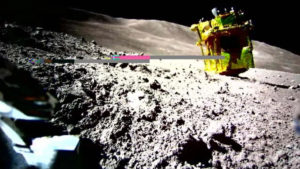
Odysseus has now officially made history with its successful lunar touchdown — and none of it could have happened without some fast work from engineers on the ground and a breath-catching save from a NASA payload.
Before descent, Intuitive Machines, which developed the Odysseus lunar lander, revealed crucial pieces of the vehicle’s navigation equipment were not working.
Fortunately, NASA — which considers itself one of many customers on this mission — had an experimental instrument already on board Odysseus that could be swapped in to make up for the malfunctioning equipment.
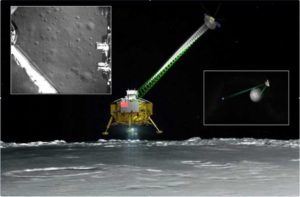
Engineers were able to bypass Odysseus’ broken pieces and land using two lasers that are part of NASA’s Navigation Doppler Lidar, or NDL, payload.
A new home
The Odysseus lander started its descent from a circular orbit 57 miles (92 km) above the surface of the Moon, an hour and 13 minutes before its planned landing time. The lander began a powered descent, using its main engine powered by liquid oxygen and methane, 11 minutes before touchdown on this timeline. During these final, crucial minutes, Odysseus’ improvised terrain-relative navigation camera scanned the surface for hazards, such as boulders, to ensure a safe landing site.
After the touchdown, the mission controllers knew it might take a minute or two to get a good signal back from the lander, which was relaying signals back to large satellite dishes on Earth. First one, then two, and then five minutes passed with an increasingly uncomfortable silence in the mission control room for Intuitive Machines. Nothing.
Finally, after 10 minutes, mission director Tim Crain called out that the lander was sending a faint signal back to Earth.
“We’re not dead yet,” said Crain, who is a co-founder of the company.
A few minutes more passed. The company continued to pick up a faint signal from the high-gain antenna on the lander. “Odysseus has a new home,” Crain said as the control room erupted in cheers.
Still, there were concerns because the signal was weak. Was it possible that the spacecraft was tipping or toppled over?
Finally, about two hours later, Intuitive Machines provided more definitive information on the social media site X: „After troubleshooting communications, flight controllers have confirmed Odysseus is upright and starting to send data. Right now, we are working to downlink the first images from the lunar surface.” https://arstechnica.com/space/2024/02/a-little-us-company-makes-history-by-landing-on-the-moon-but-questions-remain/
(HUNGARY: Az Odüsszeusz immár hivatalosan is történelmet írt sikeres holdérintésével – és egyik sem történhetett volna meg a mérnökök gyors földmunkája és a NASA rakományának lélegzetelállító mentése nélkül.
A leszállás előtt az Intuitive Machines, amely az Odysseus holdleszállót fejlesztette ki, felfedte, hogy a jármű navigációs berendezésének fontos részei nem működnek.
Szerencsére a NASA – amely a küldetés számos ügyfelének tartja magát – már rendelkezett az Odysseus fedélzetén egy kísérleti műszerrel, amelyet ki lehetett cserélni a hibás berendezés pótlására.
https://edition.cnn.com/us/live-news/nasa-odysseus-moon-landing-intuitive-machines-scn/index.html
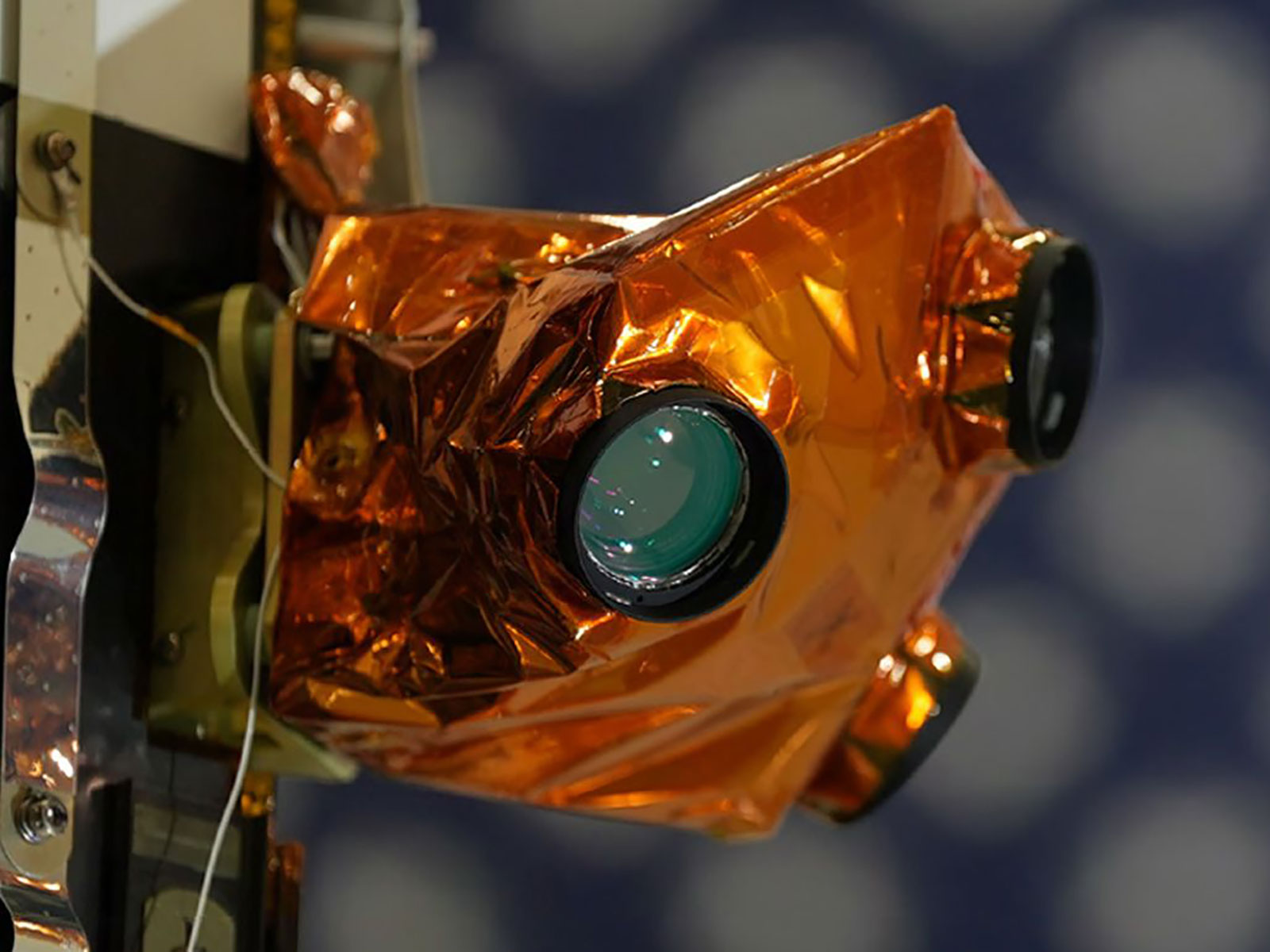
Az egyik ilyen hasznos teher éppen a Navigation Doppler Lidar kísérlet volt, egy 15 kg-os csomag, amely három kis kamerát tartalmaz. Ezzel az NDL hasznos teherrel a NASA olyan technológiákat próbált ki tesztelni, amelyek felhasználhatók a navigációs rendszerek fejlesztésére a jövőbeni holdraszállási kísérletek során.
Az Odüsszeusz egyetlen esélye az volt, ha az NDL-kísérlet három kamerája közül kettőt tudott valahogyan érinteni, és az egyiket a domborzati, a másikat pedig a veszélyhez viszonyított navigációhoz használja. Tehát néhány szoftvert sebtében írtak, és szállítottak a leszállóba. Ez egy igazi MacGyver-cucc volt. De működne?
Az volt a szerencse, hogy a szondán szállított eszközök (a NASA 118 millió dollárt fizet az IM-nek hat műszer Holdra juttatásáért) között ott volt a Navigation Doppler Lidar nevű csomag is, amelynek három kis kamerájából kettőt sikerült úgy átprogramozni, hogy már a landolásnál aktívak legyenek, és segítsék a terepnavigációt, valamint a kockázatfelmérést.)